Staged Building Inspections in Adelaide
Building a new home is stressful enough without wondering what your builder has missed. Independent building stage inspections give you another set of experienced eyes on your build at the key milestones, so defects are picked up while they are easier and cheaper to fix.
Adelaide's Trusted Building Stage Inspections
Staged building inspections are independent checks carried out during construction, separate from the builder’s own supervision. I attend site at agreed stages, compare the work against plans, basic NCC and Australian Standards requirements, and look for workmanship issues that might lead to movement, water leaks or premature failure. You receive written feedback from your building stage inspections that you can share with your supervisor or builder so issues are addressed before the next stage starts.
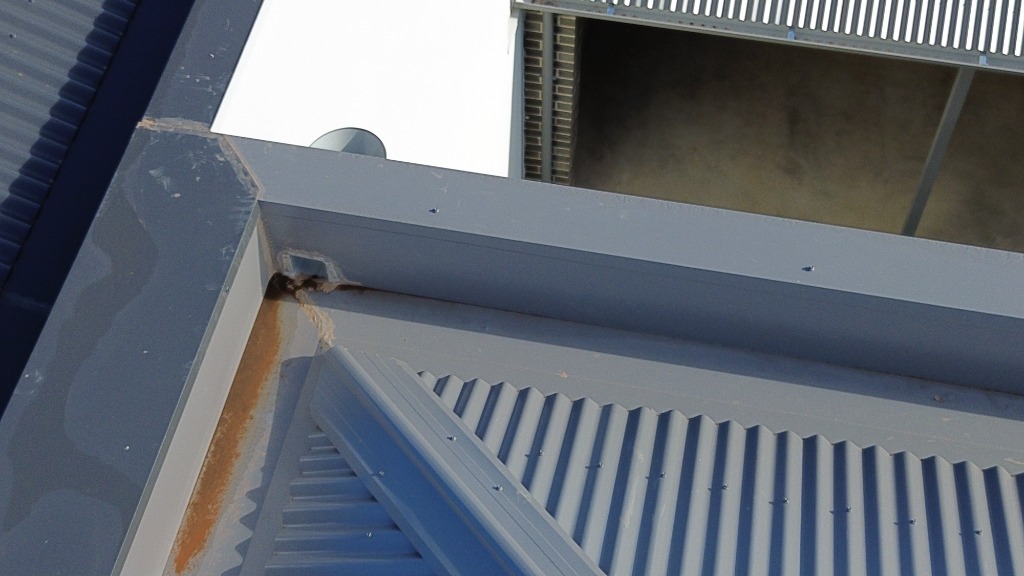
Checking complex roof structures with drone technology
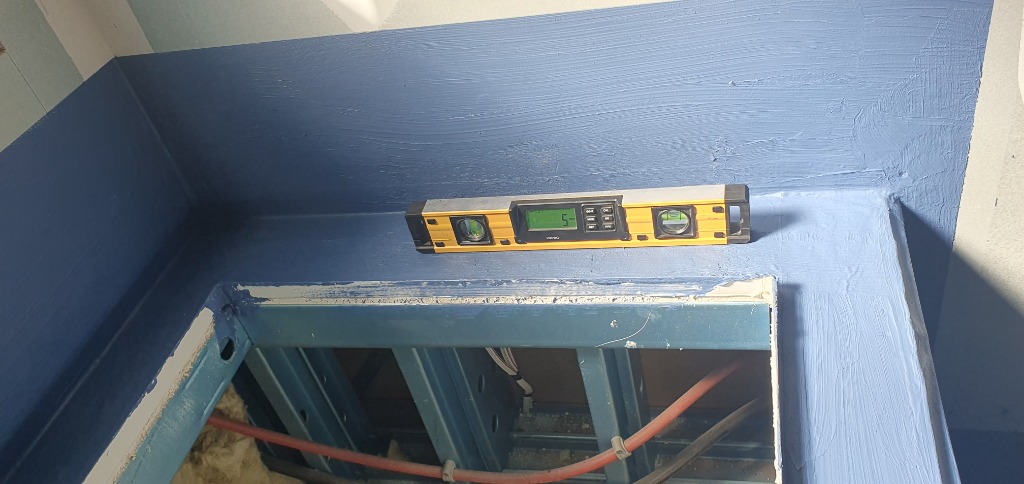
Precision checks for frame alignment using digital levels
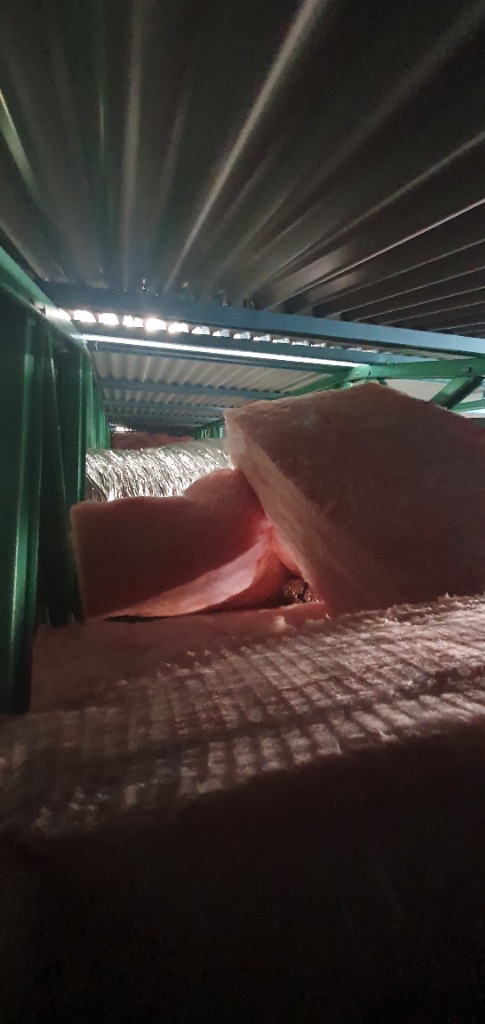
Reviewing roof space insulation and ducting installations
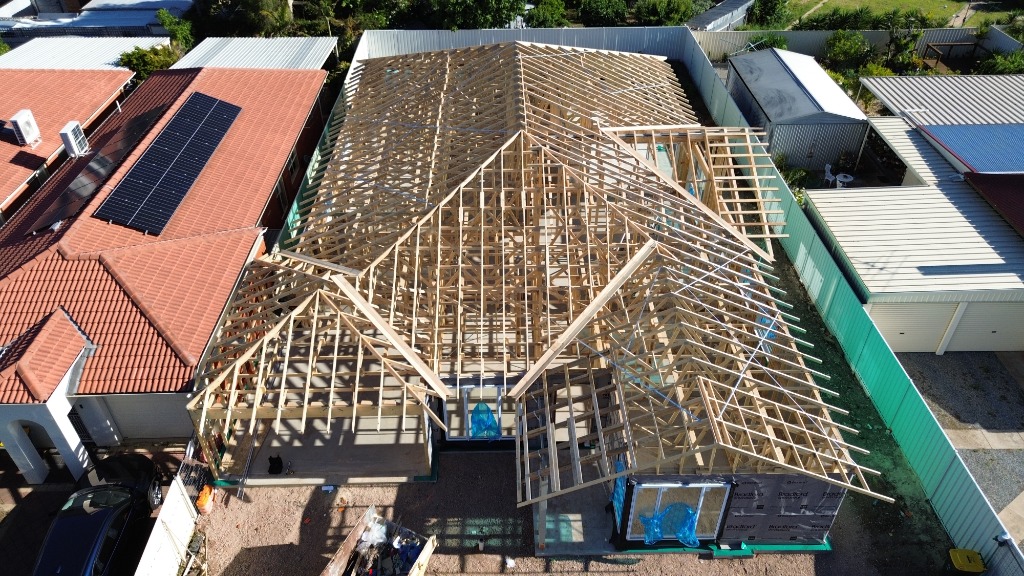
Comprehensive timber roof truss framing inspection
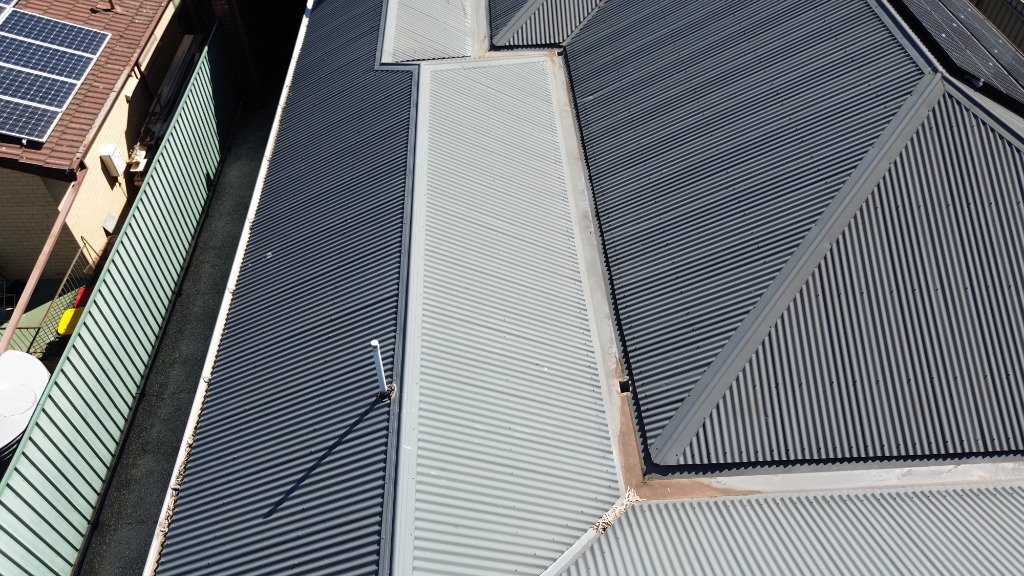
Checking crucial box gutters and drainage points
What is included in this inspection
Typical stages include slab or footing inspection, frame inspection, pre-lining or lock-up inspection, waterproofing and wet area checks, and a practical completion inspection (PCI). At each visit I focus on structure, framing details, bracing, fixings, flashing, falls, waterproofing, general workmanship and obvious safety issues. The report highlights defects and incomplete work with clear photos and comments you can raise with the builder.
Why choose Insight Property Inspections
I have a construction background and spend most of my time on active building sites across Adelaide. That means I understand how volume builders operate, common shortcuts and how to frame issues in a way that encourages resolution rather than arguments. My goal is to support you to get the home you paid for, not to hold up your build without reason.
Service areas across Adelaide
Stage inspections are provided across metropolitan Adelaide and key growth areas including northern and southern estates, new developments in the west and the Adelaide Hills. If your new build is within roughly forty kilometres of the CBD, I can usually attend site with your supervisor at agreed times.
Frequently asked questions
Q: When should I book each stage?
A: The best time is before your contract is signed or soon after, so we can agree on stages and give your builder notice. If construction has already started, we can still arrange inspections, but some elements might be covered or harder to access.
Q: Do you speak directly with the builder?
A: I am happy to discuss findings with your supervisor on site where practical. You also receive a written report that you can forward to the builder so there is a clear record of what was observed.
Q: What if the builder disagrees?
A: Disagreements happen occasionally. Your report will reference the observed issue and, where appropriate, the relevant standard or good practice. You can use this information to negotiate a solution, and I can clarify the intent of the comments if needed.
Internal link idea: reference your main FAQ section on the home page for general property inspection questions.
Book your staged building inspections
If you are building in Adelaide and want independent checks at each stage, use the booking form to outline where your build is up to and which stages you would like inspected.
Explore our other Adelaide inspection services
- Building inspections in Adelaide
- Pre-purchase inspections in Adelaide
- PCI (Practical Completion) inspections in Adelaide
- Dilapidation inspections in Adelaide
- Asbestos testing in Adelaide
- Rental inspections in Adelaide
- Special purpose inspection reports in Adelaide
- DIY property inspection guide for Adelaide buyers
- Return to Insight Property Inspections home page