Buying in Adelaide can move quickly, especially when you are working to contract deadlines or preparing for an auction. A pre-purchase building inspection gives you an independent, plain-English assessment of the home’s visible condition so you can move forward with confidence.
The aim is simple: help you understand what is sound, what needs maintenance soon, and what may require further investigation before you commit. You receive clear photos and practical guidance that supports calm, informed decisions.
This is especially useful when you are weighing up multiple homes, comparing renovations, or trying to work out whether a defect is a minor maintenance item or something that could affect safety or long-term performance.
This service is designed for buyers who want clarity before signing a contract. It is ideal if you are purchasing your first home, upgrading to a larger property, buying an investment, or considering an older Adelaide home where previous renovations may have changed what is visible and what is hidden.
It is also helpful if you are buying at auction or with short timeframes, because the inspection helps you understand the risks early. The report focuses on what is observable on the day, what needs attention soon, and what should be checked further by a specialist.
Adelaide’s housing stock is diverse, from older stone cottages and character homes to mid-century brick veneer houses and newer builds. If you are unsure what is “normal for age” versus a defect worth investigating, an inspection gives you a balanced perspective.
Many buyers use the inspection to feel confident about the next steps. If a property is generally sound, you can proceed with fewer unknowns. If there are concerns, you can decide whether to request repairs, seek specialist advice, adjust your plans for future maintenance, or move on to the next option.
If you are buying with a conveyancer or broker involved, the inspection can also help you communicate clearly about the property’s condition. Rather than vague concerns, you can reference specific observations and photos when you ask questions or request further information.
The inspection is a detailed visual assessment of accessible areas, completed systematically across the house and site. While it is non-invasive, it is thorough and photo documented.
We focus on defects and conditions that impact safety, durability and future upkeep. If an area is not safely accessible on the day (for example, restricted roof space access or a blocked subfloor entry), we record that limitation and explain what it could mean for your risk.
This is a building inspection, so it focuses on the building and site rather than specialised testing. Items like detailed electrical compliance, plumbing performance and termite activity generally sit outside a standard building inspection. If anything visible suggests further investigation is warranted, that is clearly noted so you can arrange a targeted assessment.
If you have access to documents such as renovation approvals, waterproofing certificates, or warranty information, it can be useful to have them available. We do not need these to complete the inspection, but they can help you cross-check what has been done and ask better questions during your due diligence.
Adelaide homes vary widely, from older character properties to newer builds in growth corridors. Some issues are common locally due to soil conditions, climate and building styles.
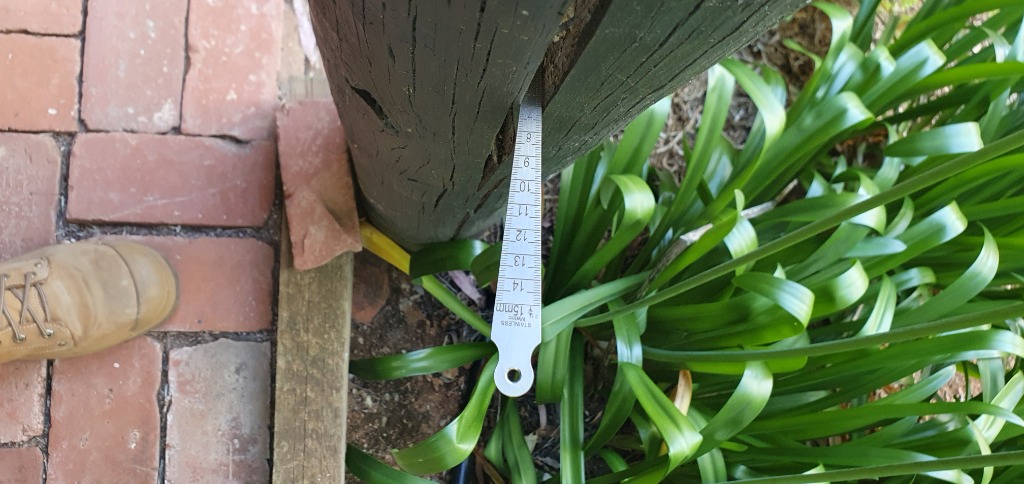
In many suburbs, reactive clay soils can contribute to movement over time, which may show up as cracking, uneven floors or doors that no longer close correctly. Around coastal areas, salt-laden air can accelerate corrosion to metal fixings and contribute to faster wear of exposed materials.
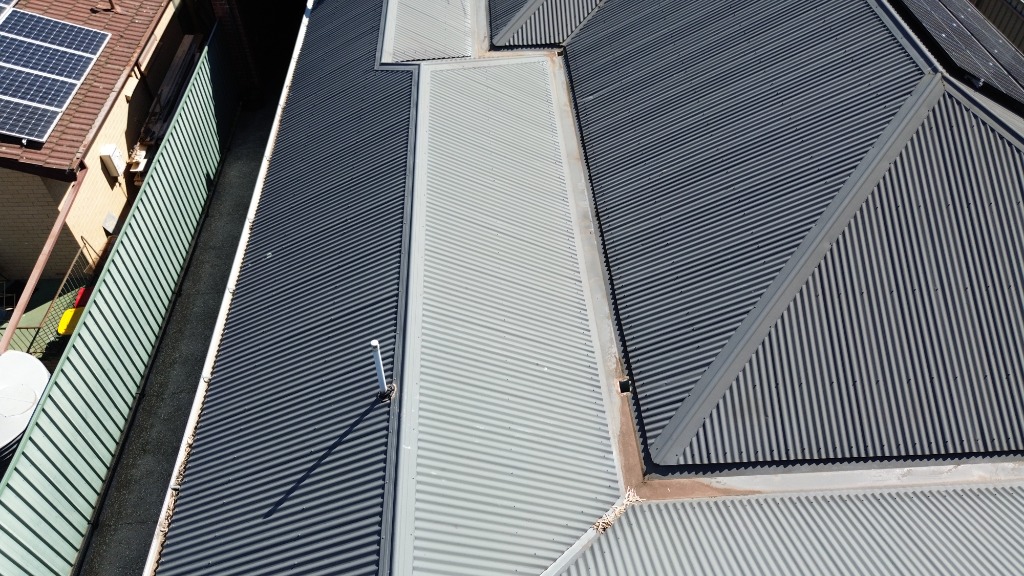
In older homes, it is also common to see moisture-related problems such as rising damp or subfloor ventilation issues. Bathrooms and laundries can show signs of older waterproofing methods or renovations that were not completed to a good standard. Roof spaces may reveal staining, leaks or inadequate ventilation, especially after heavy winter rain.
In practical terms, that can look like hairline cracking that is cosmetic, or wider cracking that suggests movement, drainage problems or past repairs. In suburbs with a mix of renovation styles, it is also common to see patchwork workmanship: new wet areas tied into older walls, altered drainage paths, or decking and pergolas added without consistent detailing.
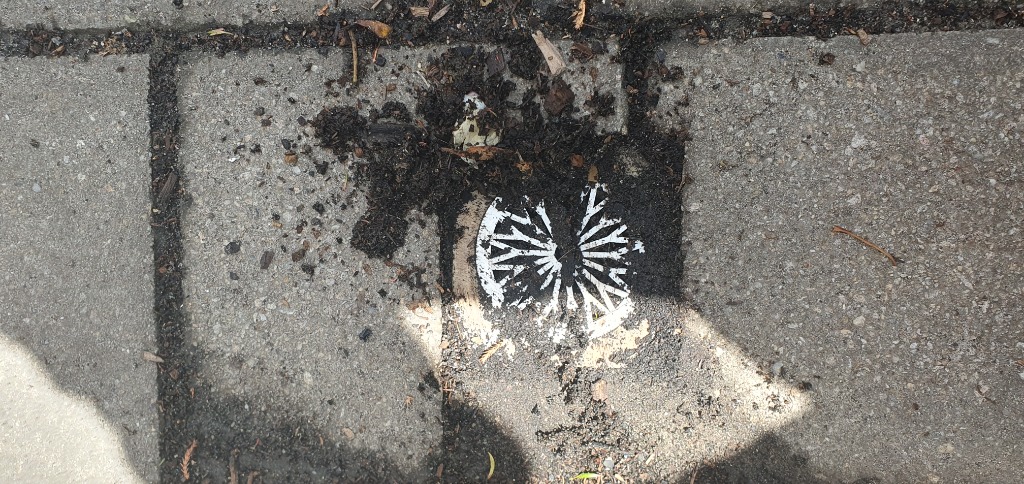
Adelaide-specific examples can include older brick veneer homes where bathrooms have been updated multiple times, or coastal properties where exposed fixings and flashings show early signs of corrosion. In some properties, water management around paving, downpipes and surface drainage is the difference between a dry home and ongoing moisture problems.
Another common situation is older extensions or “DIY” improvements that look tidy at first glance but may have inconsistent detailing. During the inspection, we look for signs that help you understand how work was completed, such as uneven finishes, moisture staining, or movement that suggests a structure is behaving differently to the original house.
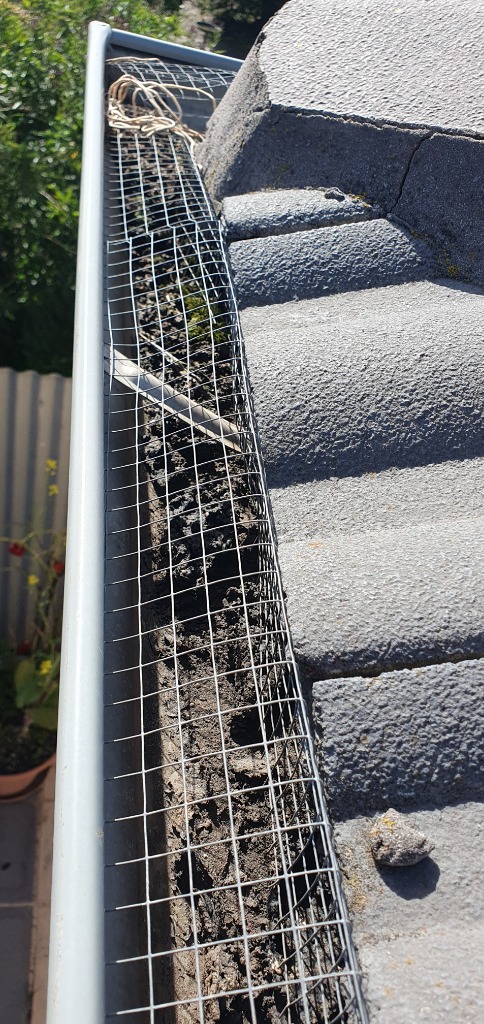
We also pay close attention to water management because it often drives long-term problems. That includes gutters and downpipes, obvious overflow points, ground levels against walls, and whether surface drainage is likely to direct water away from the building. Small issues in these areas can contribute to dampness, deterioration and avoidable repair work over time.
Wherever your property is located, the report is written to help you prioritise. Some items may be “monitor over time”, while others may warrant specialist advice before you proceed.
Part of the value of an inspection is separating normal age-related wear from defects that require urgent action. If something needs specialist input, the report will help you prioritise what to investigate next.
After the inspection, you receive a written report that is designed to be easy to act on. It includes photos, clear descriptions and practical guidance so you can talk to your conveyancer, agent or relevant trades with confidence.
Findings are explained in plain language, with enough detail to understand what was observed and why it matters. Where appropriate, recommendations outline sensible next steps such as monitoring, maintenance, or seeking a targeted specialist assessment.
You can use the report as a checklist for follow-up conversations. For example, you might ask the selling agent for additional information about prior repairs, or you might ask a contractor to provide advice on a specific issue identified in the photos. The goal is to make the next steps clear rather than leaving you guessing.
If a limitation exists on the day (restricted access, unsafe conditions, or locked areas), this is noted clearly. That way, you understand what was inspected, what was not, and how that should factor into your decision-making.
We service metropolitan Adelaide and surrounding suburbs. If you are buying near the coast, in the north or across the inner suburbs, we can usually attend within practical timeframes.
If you are arranging access through an agent, it helps to share any time constraints up front. Many buyers have building clauses with strict dates, so the goal is always to inspect promptly and provide a report that supports your decision within the required window.
Popular service areas include Glenelg, Henley Beach, and the north-eastern suburbs such as Modbury. If your property is outside these areas, get in touch and we will confirm availability.
Access arrangements differ between homes. If a selling agent needs to attend, or a tenant is in place, we can work with the available inspection window and focus on the most important accessible areas first.
If you are purchasing in established suburbs with narrow access or limited roof space entry, it helps to let us know up front so we can plan the inspection efficiently. The goal is to use the access window well and document the condition thoroughly.
You deal directly with a licensed inspector, with a straightforward process and clear communication. Inspections are methodical and practical, focused on the issues that affect safety, durability and future maintenance. The aim is not to overwhelm you with jargon, but to give you a clear understanding of the property’s condition.
You will see the evidence in the report: clear photos, clear explanations, and straightforward language. That makes it easier to have productive conversations with agents and advisers, and to plan your next steps if you proceed with the purchase.
We take time to document defects clearly and explain likely causes in a way that is useful for decision making. If a defect is minor but common for the age and style of home, we will say so. If something is outside the normal range, it is highlighted so you can investigate further before committing.
The report is designed to support real-world decisions. That means prioritising issues, explaining limitations, and being clear about what was inspected and what could not be accessed. It also means making the information easy to use under time pressure, when contract dates are approaching.
A good inspection should leave you feeling informed, not overwhelmed. The focus is on clear explanations, practical next steps, and a report that you can use immediately.
If you are comparing options, you may also want to review our building inspections in Adelaide service for homeowners who want an independent condition check outside the buying process.
If you have a contract deadline coming up, it helps to book early. Use the contact form to request an inspection time and we will confirm availability and access with you and the agent.
To help the booking process run smoothly, include the property address, the preferred inspection window, and any known access details (such as whether the home is tenanted or whether roof space access is limited). We will reply with the next available options and what to expect on the day.